

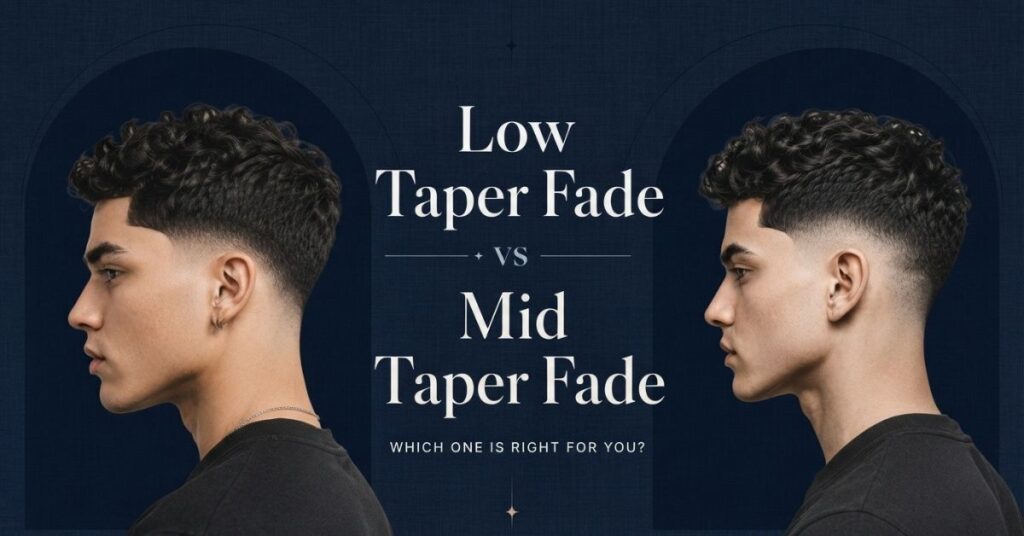
Choosing between a low taper fade and a mid taper fade can seem like a small decision, but the placement of the taper changes your entire haircut. A low taper keeps the blend close to the ears and neckline, creating a subtle and natural finish. A mid taper moves the blend higher toward the temple, giving the sides more definition and contrast.
Neither haircut is automatically better. The right choice depends on your face shape, hair type, preferred hairstyle, workplace, styling habits, and how often you want to visit your barber.
If you want a quiet, versatile haircut that grows out naturally, a low taper is usually the safer choice. If you want a sharper and more noticeable shape, a mid taper can give you the extra definition you are looking for.
The short version
The easiest way to understand the difference is where the taper starts.
A low taper fade keeps the transition close to the sideburns, ears, and neckline. It leaves more weight through the sides, so the haircut looks subtle and natural.
A mid taper fade starts higher around the temple area. It removes more side weight and creates a stronger contrast between the top and sides.
Choose a low taper if you:
- Prefer a subtle, conservative appearance
- Want to keep more hair on the sides
- Work or study in a traditional environment
- Like longer hairstyles on top
- Want an easier grow-out
- Do not want the fade to dominate your haircut
Choose a mid taper if you:
- Want the fade to be more visible
- Prefer sharper sides
- Like stronger contrast
- Wear textured crops, quiffs, or similar styles
- Want a more defined silhouette
- Do not mind more frequent touch-ups
The key difference is simple: low taper means lower placement and softer contrast, while mid taper means higher placement and stronger definition.
What is a low taper fade?
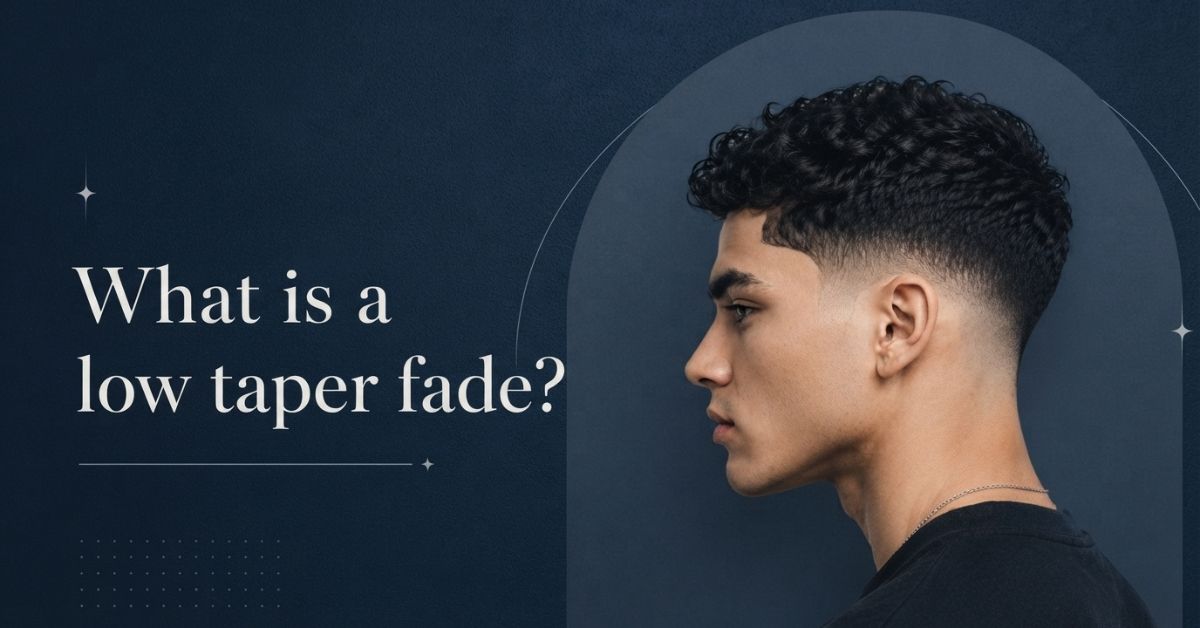
A low taper fade gradually shortens the hair around the sideburns, ears, and neckline while keeping most of the side panel relatively full.
The transition stays low instead of climbing high toward the temple. That gives the haircut a clean outline without making the fade the main feature.
This makes the low taper particularly useful when you want a polished haircut that still looks natural. It also works well with longer tops because the extra side weight creates a smoother connection between the sides and the hairstyle above.
Another advantage is its forgiving grow-out. As the hair gets longer, the difference between the freshly cut and grown-out areas is usually less dramatic than with a higher taper.
A low taper can also be customized. Your barber can finish it with a longer guard, a very short blend, or even a skin finish. The height of the taper and how short the bottom becomes are two separate decisions.
What is a mid taper fade?
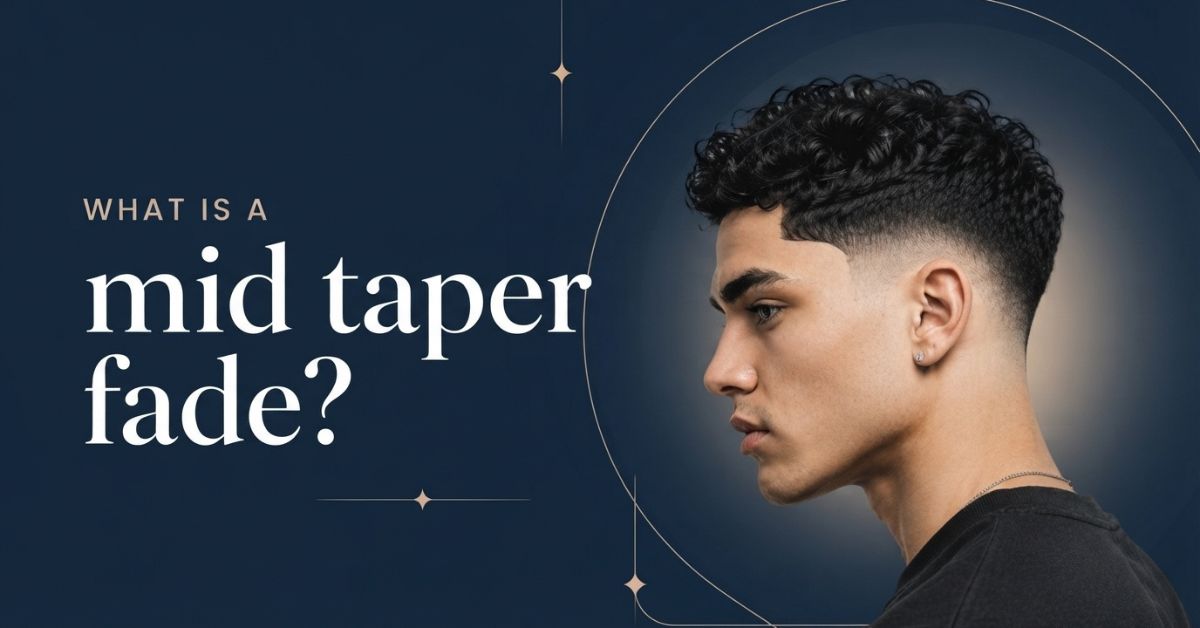
A mid taper fade places the transition higher, generally around the temple or upper ear area.
Because more of the side becomes shorter, the contrast between the top and sides is easier to see. The result looks sharper and more intentional without necessarily becoming as dramatic as a high taper.
The mid taper is often described as the middle ground. It gives you more definition than a low taper while retaining enough hair around the sides to avoid an extremely exposed look.
It works particularly well with textured hairstyles, short crops, quiffs, side parts, and other styles where you want the sides to frame the top.
The exact placement varies with head shape and barber technique. Therefore, instead of relying only on the word “mid,” showing your barber a reference photo can prevent misunderstandings.
How the two look side by side
Imagine looking at the side of your head.
With a low taper, most of the side remains dark and full. The shorter blend appears mainly around the ear and neckline.
With a mid taper, the shorter section climbs higher. You can see more separation between the side and the hair on top.
| Feature | Low Taper Fade | Mid Taper Fade |
|---|---|---|
| Taper placement | Around ears and neckline | Around temple and upper side |
| Side weight | More | Less |
| Contrast | Subtle | Moderate to strong |
| Overall appearance | Natural and understated | Sharp and defined |
| Grow-out | Usually more forgiving | More noticeable |
| Best for | Conservative and versatile looks | Modern and structured looks |
| Styling flexibility | Excellent | Excellent |
One important point often gets overlooked: neither taper automatically means skin fade. You can have a low or mid taper with a longer bottom finish. The height describes placement, while the shortest length determines how tight the cut becomes.
Which one looks more professional?
Both can look professional when the barber creates a clean blend and the top suits your workplace.
A low taper fade usually has the advantage in traditional offices, schools, interviews, and conservative professional environments because it keeps more natural weight around the sides.
A mid taper fade can still look completely professional. It simply has a more noticeable modern shape. It may be especially suitable for creative workplaces, casual offices, or people who want a sharper appearance.
If you are unsure about workplace rules, start with a low taper. You can always move higher at your next appointment.
Which fade suits your face shape?
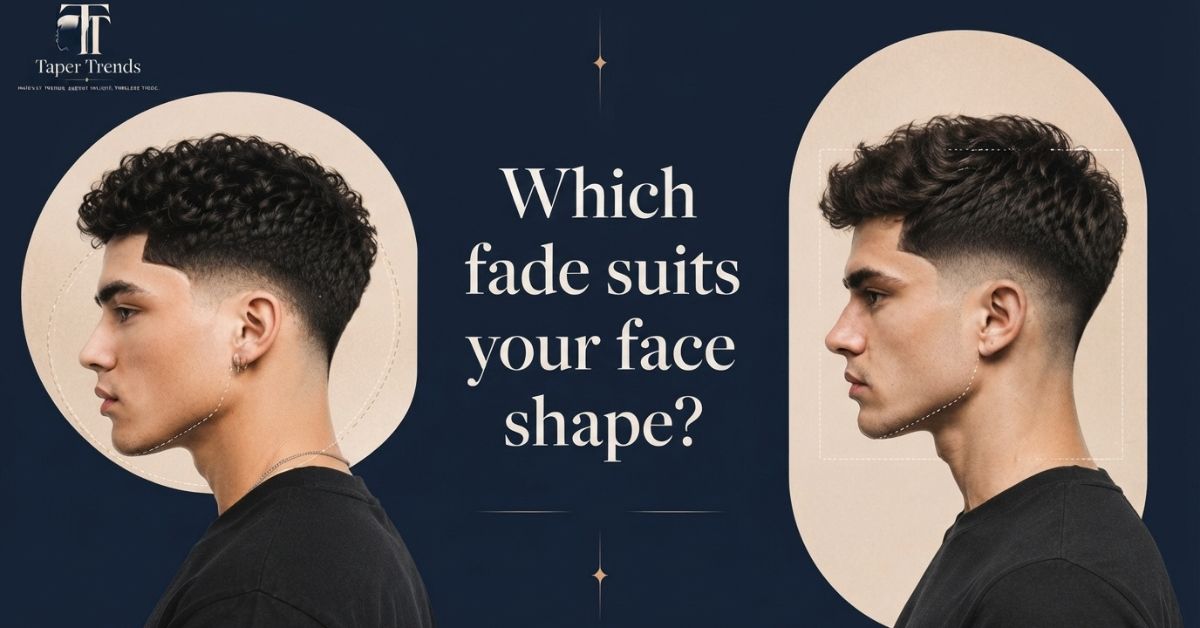
Your face shape should influence the overall silhouette, but it should not completely determine whether you can wear a low or mid taper.
Round face
A mid taper can work well when you want more vertical definition. Pair it with some height or texture on top to make the face appear longer.
A low taper also works, especially when you prefer a softer appearance. Avoid creating excessive width on the sides.
Oval face
Oval faces are highly flexible. Both low and mid tapers can work well because the proportions already tend to be balanced.
Your hairstyle on top can determine whether the final look feels classic, textured, casual, or modern.
Square face
A square face already has a strong jawline and angular structure. A low taper can complement those features without making the haircut too aggressive.
A mid taper can also look excellent if you want a cleaner, more defined appearance.
Oblong or long face
A low taper is often useful because it keeps more side weight. That can help prevent the face from appearing even longer.
If you choose a mid taper, avoid excessive height on top. A fringe, side-swept style, or moderate texture can create better balance.
Heart or diamond face
Keeping some fullness around the sides can help balance a narrower chin or wider upper face. A low taper is an easy option, while a carefully shaped mid taper can also work.
The bigger lesson is that the top hairstyle often matters as much as the taper height.
Which one works better for your hair type?
Hair texture changes how the taper appears after you leave the barbershop.
Straight hair: Both styles show the blend clearly. A mid taper can create a particularly crisp contrast, while a low taper looks more understated.
Wavy hair: A low taper works naturally with textured sides and longer tops. A mid taper can create a stronger frame around the waves.
Curly hair: Both options can look excellent. A mid taper creates stronger contrast against curls, while a low taper keeps the overall shape softer.
Coily or afro-textured hair: A taper can clean up the edges while preserving volume on top. Your barber can adjust the taper height to control the silhouette without removing unnecessary bulk.
Thick hair: A mid taper can remove more visual weight around the temples and make a dense hairstyle feel more controlled.
Fine or thinning hair: A low taper may be more forgiving because it does not remove as much side density. Your barber can also use the top length strategically to create the appearance of fuller hair.
Pairing each fade with popular top styles
The taper controls the sides, but the hairstyle on top creates much of your personality.
Low taper fade
A low taper pairs naturally with:
- Textured crop
- French crop
- Side part
- Middle part
- Messy fringe
- Curly top
- Waves
- Longer slick back
- Scissor-cut top
- Classic comb-over
It is especially useful when you want the top to remain the main attraction.
Mid taper fade
A mid taper works particularly well with:
- Textured crop
- Quiff
- Pompadour
- Slick back
- Short fringe
- Side part
- Comb-over
- Curly top
- Buzz cut
- Spiky textured hair
The stronger contrast makes the top look more separated and structured. Current hairstyle guides also emphasize the versatility of mid tapers with textured and modern tops.
Maintenance: which one lasts longer?
In most cases, a low taper fade lasts longer visually because the transition sits closer to the natural edges of the haircut.
Many people can go around three to five weeks between full low taper refreshes, depending on hair growth and how polished they want the haircut to remain.
A mid taper may need attention sooner, particularly when the blend is very short. Around two to four weeks is a reasonable general range, although individual growth rates vary.
If you want the haircut to look extremely fresh, you may need earlier edge cleanups for either style. The shorter the finish, the faster new growth becomes noticeable.
A useful rule is:
Low taper = easier grow-out.
Mid taper = more visible shape, so regrowth can show sooner.
Current maintenance guides similarly place low tapers at roughly four to five weeks for a full refresh and mid tapers around three to four weeks, although the exact schedule depends on the cut.
Everyday styling and products
Neither taper requires complicated daily styling. Most of the work happens on top.
For a natural textured finish, use a small amount of matte clay, styling cream, or texture powder.
For waves or curls, a lightweight curl cream can enhance definition without making the hair look heavy.
For a slicker side part or comb-over, a light pomade or styling cream can provide control.
A simple routine looks like this:
- Start with slightly damp or dry hair.
- Apply a small amount of product.
- Work it through the top rather than the faded area.
- Shape the hair with your fingers or a comb.
- Add a little more product only if necessary.
Do not overload the hair with product. A good taper already gives your haircut structure, so you usually need less styling product than you might expect.
Pros and cons at a glance
| Haircut | Pros | Cons |
|---|---|---|
| Low taper fade | Subtle, professional, versatile, easier grow-out, keeps side weight | May feel too understated if you want a dramatic change |
| Mid taper fade | Sharper, modern, defined, photographs well, strong contrast | Regrowth can become noticeable sooner and requires more precision |
If you want a haircut that people notice only because you look well-groomed, choose low.
If you want people to notice the haircut itself, choose mid.
How to ask your barber
Clear barber communication can make the difference between the haircut you imagined and the haircut you actually receive.
For a low taper, you can say:
“I want a low taper around the sideburns and neckline. Keep most of the side weight and make the blend subtle. Please don’t take the taper too high.”
For a mid taper, try:
“I want a mid taper around the temple area. Give me a clean, noticeable blend but keep it as a taper rather than fading the entire side.”
Then explain three more things:
- How much length you want on top
- How short you want the bottom finish
- Whether you want the neckline natural or sharply cleaned up
Most importantly, show your barber a photo from the side or back. Terms such as “low” and “mid” can be interpreted slightly differently depending on the barber and head shape.
Common mistakes to avoid
Choosing based only on a photo
A haircut can look perfect on someone else but create a different silhouette on you. Consider your hair density, face shape, and styling routine.
Confusing a taper with a full fade
A taper concentrates the blend around specific areas. A broader fade removes more weight across the sides and back. Make sure your barber knows which effect you want.
Ignoring the top
The taper cannot fix an unbalanced top. Your fringe, crop, curls, quiff, or part should work with the amount of side weight remaining.
Going too short immediately
If you are uncertain, start with a slightly longer finish. Your barber can always take more hair off, but hair cannot be put back during the same appointment.
Moving the taper higher every visit
If you always ask for the taper to go slightly higher, you may eventually end up with a completely different haircut. Tell your barber to maintain the same taper height.
Final verdict: low taper fade or mid taper fade?
There is no universal winner in the low taper fade vs mid taper fade debate.
Choose the low taper fade if subtlety, versatility, professionalism, and easy maintenance matter most. It keeps more side weight and usually grows out gracefully.
Choose the mid taper fade if you want stronger contrast, sharper temple definition, and a more noticeable modern haircut. It is particularly effective with textured tops, curls, quiffs, and other styles that benefit from clear separation.
If you are getting your first taper and cannot decide, the low taper is the safer starting point. If you already know you want a visible fade, go with the mid taper.
Ultimately, the best haircut is the one that fits your face, hair, lifestyle, workplace, and personal style rather than simply following the latest trend.
FAQs about low taper fade vs mid taper fade
Is a low taper better than a mid taper?
A low taper is better for subtlety and easier grow-out, while a mid taper is better for stronger contrast and a sharper appearance.
Does a mid taper make your face look slimmer?
It can make a rounder face appear more defined by reducing side weight, especially when paired with some height or texture on top.
Which taper fade lasts longer?
A low taper generally looks neat for longer because less side hair is removed and the grow-out is less obvious.
Can you get a skin finish with a low or mid taper?
Yes. Taper height and the shortest finish are separate choices, so either can be combined with a very short or skin-level finish.
Is a mid taper good for curly hair?
Yes. A mid taper can create strong contrast around curly hair while keeping the curls prominent on top.
Want more taper fade guides?
If you are still choosing your next haircut, compare taper height with your face shape, hair texture, and preferred top style before sitting in the barber’s chair.
A low taper, mid taper, high taper, burst fade, or traditional fade can all create different proportions. The best choice comes from understanding where the blend starts, how much side weight you want to keep, and how much maintenance fits your routine.

