


A low taper fade with fluffy hair gives you a tidy outline and a soft, full top in one haircut. The sides stay neat. The top keeps its volume and movement. It works for school, the office, and weekends, and it needs far less effort than most people expect.
This guide covers what the cut is, which styles to choose, exactly what to tell your barber, how to style it at home, which products work, and how often to book a trim. Use the headings to jump to the part you need.
Quick answer: A low taper fade with fluffy hair is a men’s haircut where the sides and nape are shortened gradually, starting very low near the ears and neckline, while the top is left longer and textured so it sits full and airy. Most men need a trim every 2 to 4 weeks to keep the taper crisp.
What is a low taper fade with fluffy hair?

A low taper fade with fluffy hair combines two ideas. The first is a low taper, a light fade that only affects the sideburns and the nape of the neck. The second is fluffy hair, which means the top is cut with enough length and layering to look full, soft, and slightly tousled.
The low taper keeps the shape clean. The fluffy top adds character. Together they create contrast without looking harsh, which is why barbers and stylists recommend the pairing so often.
Typical measurements look like this:
- Sides and nape: blended from a #0 or #1 guard (or bare skin if you want it sharper) up to about a #2 or #3 guard
- Top: roughly 3 to 6 inches (8 to 15 cm), cut with layers
- Fade start: just above the ear and the base of the neck
How a low taper differs from mid and high fades
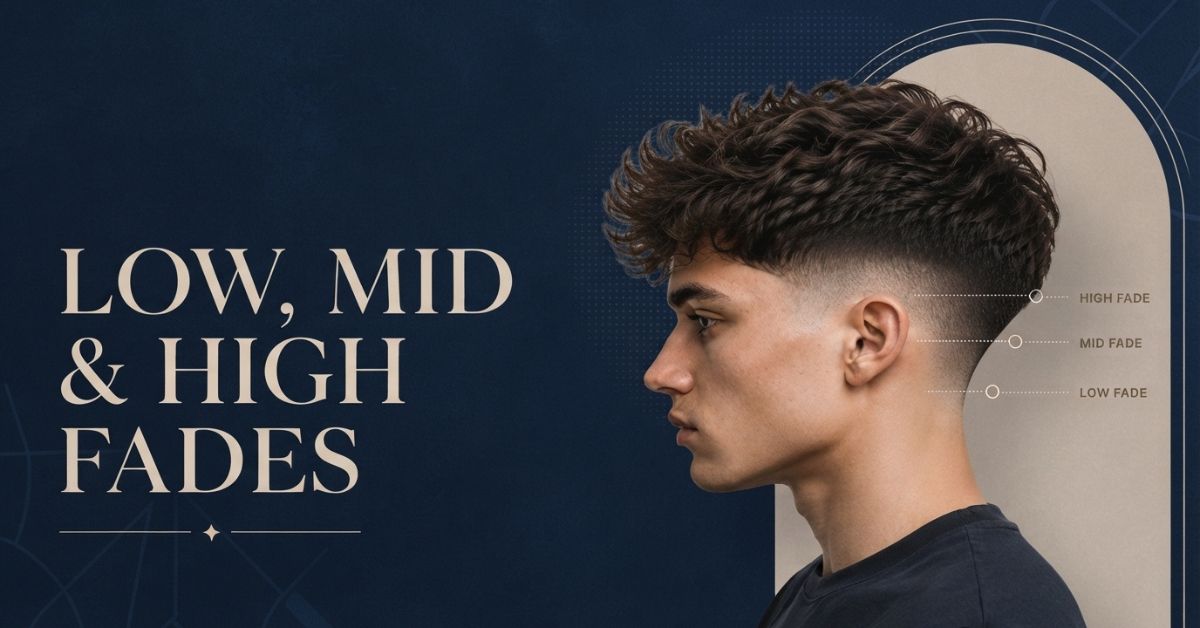
The difference comes down to where the blend starts and how much skin shows.
- Low taper: The fade begins near the ear and the nape. It is the most subtle option and keeps most of the side hair intact.
- Mid taper: The fade begins about an inch above the ear and moves up toward the eye line. It adds more shape and shows more scalp.
- High fade: The fade starts up near the temples and crown. It creates the strongest contrast and the sharpest look.
A taper is also different from a standard fade. A taper changes length mainly around the sideburns and neckline. A full fade usually travels higher up the head and often goes down to skin. If you are unsure, start low. You can always go higher next time.
What actually makes hair “fluffy”

Fluffy hair is not a hair type. It is a result of cut, texture, and drying method. Four things create it:
- Length: About 3 inches or more on top gives hair room to lift and fall softly.
- Layers and texturizing: Thinning out bulk lets strands separate instead of clumping.
- Hair density: Medium to thick hair holds volume well. Fine hair can work with the right products.
- Drying and product: Blow drying and light, airy products keep strands separated and full.
Dry, frizzy, or damaged hair can look fluffy for the wrong reasons. Healthy fluff looks soft and bouncy, not rough or puffy.
Why the low taper fade with fluffy hair is so popular

This haircut has stayed in demand because it solves several problems at once.
- It looks polished but relaxed. The clean sides signal care. The fluffy top keeps things casual.
- It suits many settings. You can wear it to work, class, a wedding, or the gym.
- It is forgiving. A low taper grows out more gently than a high skin fade.
- It works on many hair textures. Straight, wavy, and curly hair can all be styled this way.
- It reduces bulk. Thick hair feels lighter and is easier to manage.
- It is easy to restyle. A quick change in product or comb direction gives a new look.
Social media has also pushed the style. Short videos show how quickly the shape changes from flat to full with a hairdryer, which makes the cut feel easy to copy.
Best low taper fade fluffy hair styles for men
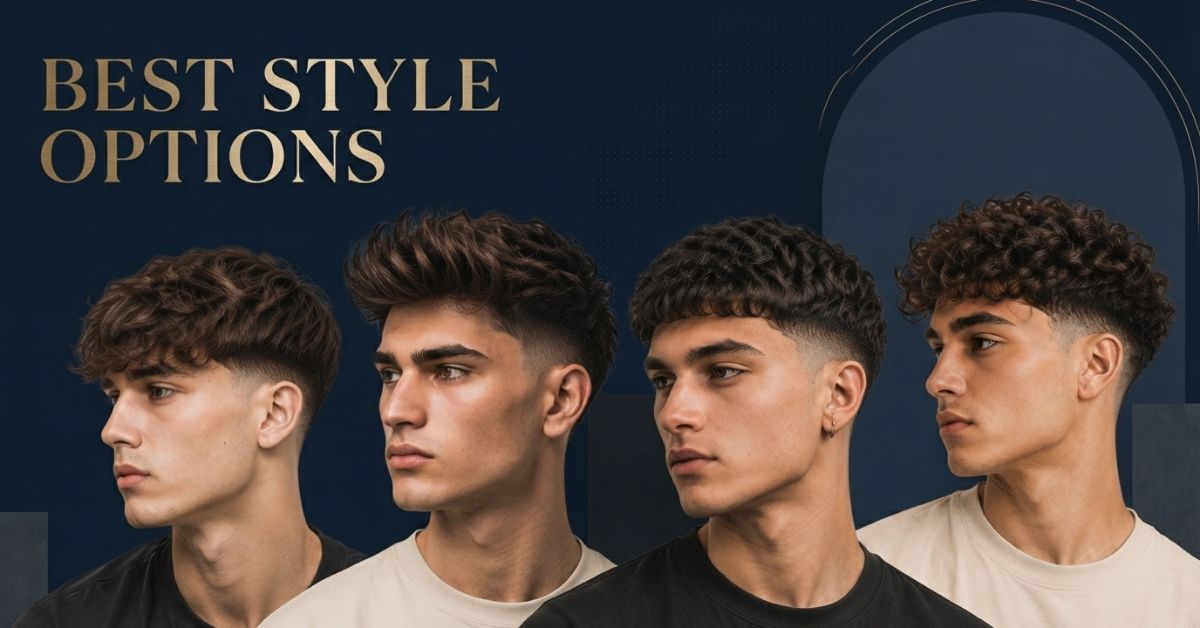
These five variations cover most requests barbers hear.
Fluffy fringe
The fluffy fringe keeps hair longer at the front so it falls softly across the forehead. The ends are cut with texture so they look light, not blunt.
- Best for: straight to wavy hair, oval and square faces
- Top length: 3 to 5 inches
- Styling tip: Blow dry forward with your fingers, then break it up with a little clay.
Fluffy quiff
The quiff lifts the front upward and back, which adds height. It looks sharper than a fringe but still keeps a soft finish.
- Best for: thick or medium hair, round and oval faces
- Top length: 4 to 6 inches
- Styling tip: Use a round brush and a blow dryer to lift at the roots, then finish with light hold.
Textured crop
The textured crop is shorter and easier to maintain. The top is cut with choppy layers and styled forward or slightly to one side.
- Best for: busy mornings, thick hair, receding hairlines
- Top length: 2 to 3 inches
- Styling tip: Rub a pea sized amount of paste through dry hair and leave the ends messy.
Natural curls
Curly hair looks great with a low taper because the neat sides frame the curls without flattening them. The top is left long enough to form defined, bouncy curls.
- Best for: type 2C to 3C curls and coils
- Top length: 3 to 5 inches
- Styling tip: Apply a curl cream to damp hair, scrunch, and diffuse on low heat.
Messy fluffy top
This is the most relaxed version. The top is layered but not styled precisely. It has movement in every direction.
- Best for: wavy hair, casual dressers
- Top length: 3 to 5 inches
- Styling tip: Use sea salt spray, then tousle with your hands as it dries.
How to ask your barber for a low taper fade with fluffy hair
Clear instructions prevent most bad haircuts. Bring a photo, then use these steps.
- Name the cut. Say “low taper fade with a fluffy top.”
- Say how low. Ask for the taper to stay tight around the sideburns and nape.
- Match the sideburns and nape. If the sideburns are tapered low, the neckline should be too.
- Choose the finish. Tell the barber if you want skin showing or a soft guard length at the bottom.
- Set the top length. Say how many inches you want to keep. Ask for layers or texturizing.
- Mention your routine. Say whether you blow dry, use product, or let it air dry.
A useful script: “I’d like a low taper fade, starting just above the ear and down the neckline. Keep the top about four inches with layers so it sits full and soft.”
Ask the barber to cut the top with scissors or a texturizing technique rather than clippers alone. This keeps the fluff natural.
How to style fluffy hair with a low taper fade, step by step
The whole routine takes about five to eight minutes.
- Wash and condition. Use a gentle shampoo and a light conditioner. Heavy conditioners flatten fluffy hair.
- Towel dry. Pat dry. Do not rub, since that causes frizz.
- Apply a pre-styler. Use a sea salt spray or volumizing mousse on damp hair. Focus on the roots.
- Blow dry for lift. Use medium heat and point the airflow upward or forward. A round brush helps at the front.
- Add texture. Rub a small amount of matte clay, paste, or powder between your palms.
- Shape with your fingers. Push hair up and forward. Avoid a comb, which flattens the volume.
- Set it. Use a light mist of flexible hold spray if you need it to last.
Pro tip: Less product is better. Start with a pea sized amount. You can always add more, but you cannot take it out without washing.
Best hair products for a fluffy low taper fade
Choose products by finish and hold, not by brand name.
| Product | What it does | Best for |
|---|---|---|
| Sea salt spray | Adds grit and volume | Straight and wavy hair |
| Volumizing mousse | Lifts at the roots | Fine hair |
| Matte clay | Gives separation with no shine | Thick hair |
| Texture powder | Adds instant lift | Fine and flat hair |
| Curl cream | Defines curls and reduces frizz | Wavy and curly hair |
| Flexible hold spray | Locks the shape without stiffness | All hair types |
Things to avoid: heavy gels, shiny pomades, and alcohol heavy sprays. They weigh the hair down or dry it out, which kills the fluffy effect.
Styling by hair type: straight, wavy, and curly
Straight hair
Straight hair tends to fall flat, so lift matters most. Use a mousse or sea salt spray, blow dry upward, and finish with powder or light clay. Ask your barber for extra layers to create movement.
Wavy hair
Wavy hair is the easiest to make fluffy. It already has natural lift. Scrunch in a light cream or salt spray, then diffuse or air dry. Avoid brushing once it is dry.
Curly hair
Curly hair needs moisture first. Use a leave in conditioner and curl cream on damp hair, then diffuse on low heat. Do not touch it while it dries. Once dry, fluff gently at the roots with your fingers. For tighter coils, keep the taper clean so the curls stand out.
Which face shapes suit a low taper fade with fluffy hair?
The low taper fade with fluffy hair works on most face shapes, but small changes help.
- Oval: Almost any version works.
- Round: Add height with a fluffy quiff to lengthen the face. Keep the sides tight.
- Square: A fluffy fringe softens a strong jawline.
- Oblong: Avoid too much height. A textured crop or fringe adds width.
- Heart: Keep volume at the front and a low taper to balance a narrow chin.
- Diamond: A fringe covers a wide forehead and balances the cheekbones.
Glasses, beards, and hairline shape also matter. Ask your barber for advice based on your features.
How to maintain the fade and keep your hair fluffy
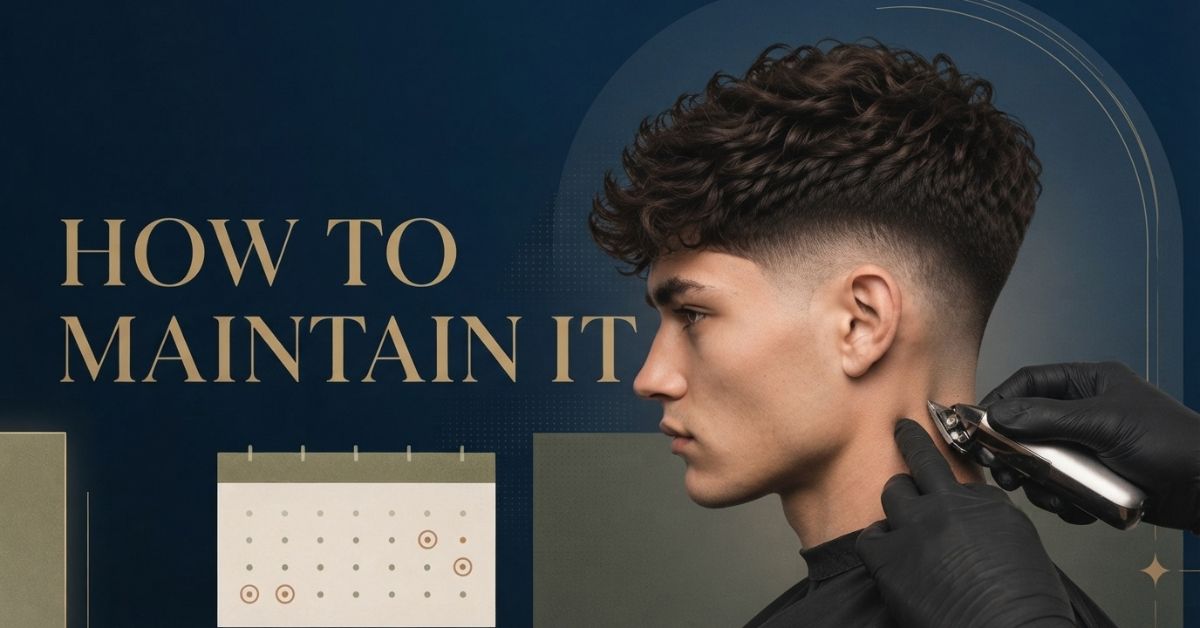
A low taper shows growth fast because the lines are close to the ears and neck. Use this schedule.
- Every 2 to 3 weeks: Book a quick clean up of the neckline, sideburns, and taper.
- Every 4 to 6 weeks: Book a full cut to refresh the top layers.
- Wash 2 to 4 times a week: Over washing dries hair and reduces volume.
- Use a light conditioner: Focus on the ends, not the roots.
- Trim split ends: They make fluffy hair look frizzy.
- Protect from heat: Use a heat protectant if you blow dry daily.
- Sleep smart: A silk or satin pillowcase reduces friction and frizz.
If you are growing out the fade, ask your barber to keep the shape while letting the length return naturally.
Frequently asked questions
Is a low taper fade the same as a low fade?
No. A low taper only trims the sideburns and neckline, while a low fade usually blends higher and often goes to skin.
How long should my hair be on top for a fluffy look?
About 3 to 6 inches works best. Shorter hair can still look fluffy with texturizing and the right product.
Can thin or fine hair look fluffy?
Yes. Use mousse, texture powder, and a blow dryer to add lift at the roots.
How often should I get a low taper fade trim?
Every 2 to 4 weeks keeps the taper sharp. Every 4 to 6 weeks is fine for a softer look.
Does a low taper fade work with curly hair?
Yes. The neat sides frame the curls well. Keep the top hydrated and defined with curl cream.
Is this haircut professional enough for work?
Yes. The low taper is subtle, and the top can be styled neatly for formal settings.
What products should I avoid?
Avoid heavy gels and shiny pomades. They flatten volume and make hair look greasy.
Can I get this haircut with a receding hairline?
Yes. A textured crop or short fringe helps hide a receding hairline and still keeps the fluffy look.
The bottom line
A low taper fade with fluffy hair is a smart choice if you want a modern cut that looks neat without trying too hard. The low taper keeps the edges clean, and the fluffy top adds personality.
Pick the style that matches your hair type and face shape, give your barber clear instructions, and keep your routine simple. Light products, a quick blow dry, and regular trims are all you need. Book your next cut, bring a reference photo, and start with a low taper. It is the safest and most flexible place to begin.

